



When water damage hits a commercial property, whether from a burst pipe, a leaking roof or a flood, one of the first questions business owners ask is whether they need to close. It’s an understandable concern. Closing your doors means lost revenue, disrupted staff and inconvenienced customers. The honest answer is: it depends on the extent of the damage, the areas affected and how the restoration work is carried out, but in many cases, staying open, or at least partially open, is possible.
What determines whether you can stay open
Every water damage situation is different, and the decision to stay open should always be based on a proper assessment rather than guesswork. Key factors include:
- The extent of the damage – a contained leak affecting one room is very different to widespread flooding across multiple floors
- Which areas are affected – damage to a back office or storeroom is far less disruptive than damage to a customer-facing area, kitchen or shop floor
- Electrical safety – if water has come into contact with electrical systems, sockets or equipment, those areas may need to be isolated until they’ve been checked and confirmed safe
- Structural safety – in more serious cases, water damage can affect flooring, ceilings or walls, which may need to be assessed before certain areas can be safely accessed
- Air quality and contamination – if the water involved is contaminated (for example, from a sewage backup), the health and safety implications are more significant and may require the affected area to be fully closed off during remediation
- Drying and dehumidification equipment – industrial dryers and dehumidifiers used during restoration can be noisy and are usually kept running continuously, which needs to be factored into how normal operations continue around them
How we work to minimise disruption
At Safe Group, we understand that closing a business, even for a short period, has a real impact on revenue, staff and customers. Wherever it’s safe to do so, our approach is built around minimising disruption rather than defaulting to a full closure. This typically involves:
- A thorough initial assessment, so we can tell you clearly and honestly which areas are safe to remain open and which need to be restricted
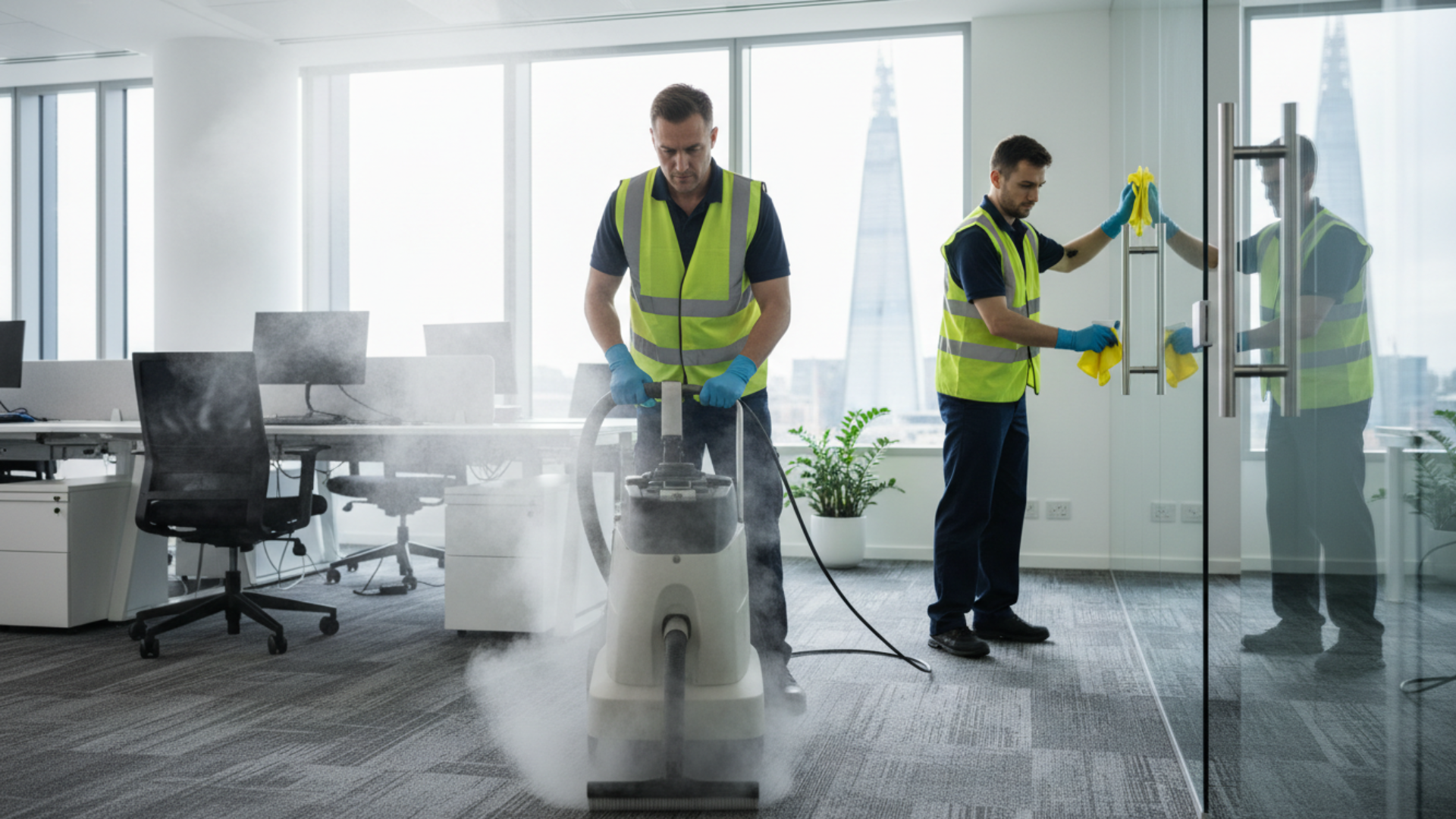
- Zoning off affected areas, allowing unaffected parts of your premises to continue operating as normal
- Working outside of your trading hours where possible, particularly for noisier or more disruptive stages of the restoration
- Clear, ongoing communication, so you always know what stage the work is at and when access to affected areas will be restored
- Prioritising safety first, which means we’ll always be upfront if an area genuinely isn’t safe to use, even if that’s not what you want to hear
When closure is the safer option
There are situations where a temporary closure, of part or all of the premises, is the right call. This is usually the case when:
- The water involved is contaminated (sewage, grey water, or water that has been standing for some time)
- Electrical systems in customer or staff areas haven’t yet been confirmed safe
- Structural damage means there’s a risk to people moving through the space
- The scale of the damage means restoration work would make normal operation impractical or unsafe
In these cases, our priority is getting the affected areas assessed, restored and signed off as safe as quickly as possible, so you can reopen fully with confidence rather than rushing back into a space that hasn’t been properly checked.
Getting a clear answer for your business
There’s no single answer to whether you can stay open during water damage restoration, it depends entirely on the specifics of your situation. The best first step is getting a professional assessment as soon as possible, so you know exactly where you stand and can plan around it, rather than making decisions without the full picture.
At Safe Group, we assess every water damage incident on its own merits and give you a clear, honest recommendation on what’s safe to keep open, what needs to be restricted, and how we’ll work to get your business back to normal as quickly as possible. Get in touch with our team today to arrange an assessment.