



When something goes wrong at a business premises, a burst pipe, a fire, a spillage, a biohazard incident, the immediate priority is usually the same: get the site safe and back in use as quickly as possible. That’s what emergency cleaning services are for. They’re a different service to routine cleaning, built around responding quickly to unplanned incidents rather than working to a fixed schedule.
What emergency cleaning actually covers
Emergency cleaning is a broad term covering a range of specialist responses, depending on the incident. It typically includes:
Water damage response. Water extraction, structural drying and cleaning following floods, burst pipes, or leaks.
Fire and smoke damage cleanup. Cleaning and odour removal following a fire, including areas affected by smoke beyond the immediate fire zone.
Biohazard and contamination cleaning. Specialist decontamination following incidents involving bodily fluids, blood, or other biological hazards.
Spillage and contamination response. Dealing with hazardous or large-scale spillages that standard cleaning teams aren’t equipped to handle safely.
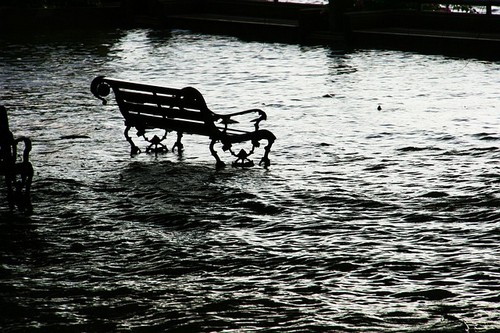
Storm and flood damage cleanup. Clearing and cleaning premises affected by external flooding or storm damage.
The common thread is that these are all situations that can’t wait for a routine cleaning schedule, and that often need specialist equipment, training or protective measures that a standard cleaning contract doesn’t include.
What makes it different from routine cleaning
Routine cleaning is planned, scheduled and predictable. Emergency cleaning is, by nature, unplanned and needs to move fast. A few things set it apart:
Availability. Genuine emergency cleaning services operate on a 24/7 basis, since incidents don’t stick to office hours.
Response time. The priority is getting a response started as quickly as possible, since delays in dealing with water, fire damage or contamination usually make the situation worse.
Specialist equipment and training. Many emergency situations involve risks that routine cleaning staff aren’t trained or equipped to handle, from PPE requirements for biohazard work to industrial drying equipment for water damage.
Assessment-led approach. Because every incident is different, emergency cleaning usually starts with an assessment of the specific damage or contamination, rather than following a fixed checklist.
When your business actually needs it
It’s worth knowing the difference between a situation that needs a quick clean-up and one that genuinely needs emergency cleaning support. Signs it’s the latter include:
- Standing water or flooding affecting flooring, walls or equipment
- Any fire, even a small one, where smoke has spread beyond the immediate area
- Blood, bodily fluids, or other biological contamination
- Sewage backup or contamination from external flooding
- Any incident where staff or customers can’t safely access part of the premises
- Situations where waiting until normal cleaning hours would make the damage worse
If in doubt, it’s generally safer to get a specialist assessment than to assume a standard clean will be enough.
Why having a provider on call matters
Because emergency cleaning situations happen without warning, businesses that already have a relationship with a provider tend to get back up and running faster than those searching for help after the fact. It also avoids the risk of using an unfamiliar, unvetted contractor under time pressure, which can be a problem if the work isn’t done properly.
Support that’s actually available when you need it
SafeGroup provides emergency cleaning services for businesses across the UK, covering water damage, fire and smoke damage, biohazard and decontamination work, and spillage response, with genuine 24/7 nationwide availability.
If your business is dealing with an incident right now, or you’d like to have a provider in place before you need one, get in touch with SafeGroup or call 0800 668 1268.