


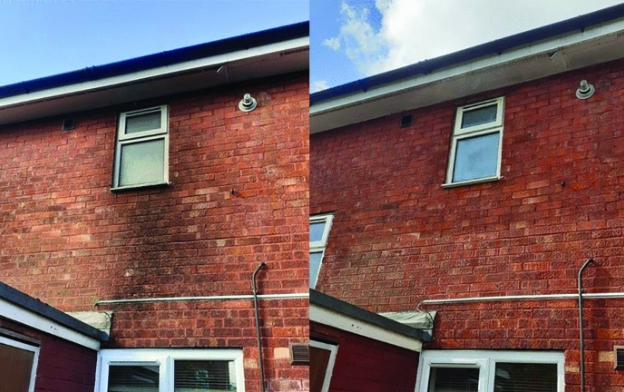
Smoke Damage: Why It Spreads Further Than the Fire
After a fire, it’s natural to assume the damage is limited to wherever the flames actually reached. In reality, smoke very rarely stays put. Even a small, contained fire can leave smoke damage across an entire building, affecting rooms and areas that were never near the source. For business owners assessing what needs to happen next, understanding why this happens matters just as much as dealing with the fire damage itself.
Why smoke travels so far
Smoke isn’t a solid, contained thing, it behaves more like a gas mixed with fine particles, and both of those properties make it very good at spreading.
It follows air currents. Heating, ventilation and air conditioning systems actively move air around a building, and smoke gets carried along with it. Even with systems switched off, natural air movement through gaps, doors and ductwork is often enough to carry smoke well beyond the room it started in.
It rises and settles. Heat from a fire causes smoke to rise, often reaching ceiling voids, upper floors, and roof spaces. As it cools, it settles, leaving residue on surfaces far from where the fire actually was.
It gets into small gaps. Smoke particles are tiny enough to work their way through gaps around doors, skirting boards, light fittings and cable routes, which is how smoke damage can end up in a completely separate room, or even a separate floor.
Different fires produce different smoke. The type of material burning affects how the smoke behaves and what kind of residue it leaves. Synthetic materials, for example, tend to produce a particularly persistent, oily residue that clings to surfaces and is harder to remove than smoke from natural materials.
Why this matters for cleanup
If smoke damage assessment only looks at the room where the fire happened, it’s likely to miss areas that need attention. This has a few real consequences:
Odour lingers. Smoke odour is caused by particles embedded in materials, not just what’s on the surface. If affected areas outside the fire zone aren’t identified and treated, the smell can persist long after the visible damage is dealt with, sometimes for months.
Residue causes ongoing damage. Smoke residue is often acidic, and left untreated it can continue to corrode metal fittings, discolour surfaces and degrade materials well after the fire itself is out.
Reopening gets delayed. If damage is discovered later in an area that wasn’t part of the original assessment, it can mean going back to reopen work that was thought to be finished, extending the time before a business can fully reopen.
Air quality is affected. Smoke particles that settle in ductwork or soft furnishings can continue to affect indoor air quality until they’re properly removed, which matters for staff and customers returning to the space.
What a proper smoke damage assessment involves
A thorough assessment looks beyond the visibly affected area to check ceiling voids, HVAC systems, adjoining rooms, and any spaces connected by shared air routes. It also takes into account what was burning, since that affects the type of residue and the cleaning approach needed.
Cleanup then typically involves a combination of specialist cleaning, air quality treatment and odour removal, tailored to the extent and type of smoke damage found, not just a general clean of the room where the fire happened.
Getting the full picture after a fire
SafeGroup provides fire and smoke damage restoration for businesses across the UK, including assessment of affected areas beyond the immediate fire zone, cleaning, and odour removal, with support available 24/7 nationwide.
If your business has experienced a fire and you want to make sure smoke damage has been properly assessed, not just the visible parts, get in touch with us or call 0800 668 1268.