


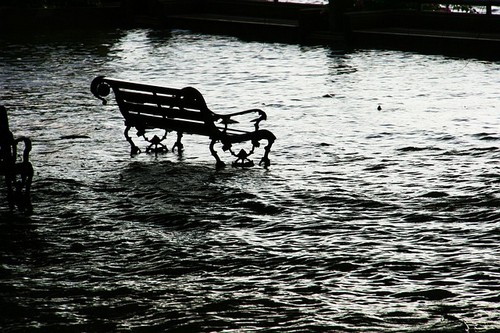
Water damage at a commercial premises rarely gives much warning. A burst pipe overnight, a storm that overwhelms your drainage, or a leak from the floor above can leave you dealing with standing water, damaged stock and a building that isn’t safe to trade from. What you do in the first 24 hours has a big impact on how much damage spreads and how quickly you can reopen.
Here’s a practical breakdown of what to prioritise.
1. Make sure everyone is safe first
Before anything else, get staff and customers away from the affected area. Water and electricity don’t mix, so if there’s any risk of water reaching sockets, wiring or electrical equipment, switch off the power at the mains if it’s safe to do so, or wait for a qualified electrician to do it. Don’t attempt to isolate anything yourself if you’re not confident it’s safe.
If the flooding is linked to a burst water main, storm damage or sewage backup, be aware that the water itself could be contaminated. Avoid direct contact until you know what you’re dealing with.
2. Stop the source, if you can
If the damage is coming from a burst pipe, a leaking appliance or a blocked drain, shutting off the water supply (if you know where the stop valve is) can prevent things getting worse while you arrange help. If the source is external, such as flooding from heavy rain, this step won’t apply and your priority shifts straight to damage control and getting specialist support in place.
3. Document everything before you start moving things
It’s tempting to start clearing up straight away, but a few minutes spent taking photos and videos of the affected area, damaged stock, and any visible water levels will make things far easier when it comes to insurance claims. Note the time you discovered the damage and what you believe caused it.
4. Contact your insurer early
Most business insurance policies have specific requirements around how quickly you report water damage and what evidence they expect. Get in touch as early as possible, even if you don’t have all the details yet. This also gives you the chance to check whether they have any preferred restoration contractors or specific process requirements before work begins.
5. Get specialist water damage restoration involved quickly
This is the step that makes the biggest difference to your recovery timeline. Water that sits for too long doesn’t just damage flooring and furniture, it creates a real risk of structural damage and mould growth, which can turn a short closure into a much longer one.
We provide specialist water damage restoration for businesses across the UK, including water extraction, structural drying, and cleaning and decontamination where needed. Because the service operates 24/7 nationwide, you’re not stuck waiting until normal business hours to get help moving.
6. Avoid trying to dry everything out yourselves
It’s a natural instinct to grab towels, fans and dehumidifiers and start drying things out. For minor spills this is fine, but for anything beyond a small, contained leak, DIY drying rarely reaches water that’s got into flooring, subfloors or wall cavities. That trapped moisture is exactly what leads to longer-term problems like mould and structural weakening, often not visible until weeks later.
7. Keep a record of the work as it happens
As restoration work gets underway, keep track of what’s being done, by whom, and when. This is useful both for your insurer and for your own records, especially if you need to demonstrate due diligence around reopening safely.
The bottom line
The first 24 hours after water damage are about limiting the spread, keeping people safe, and getting the right specialist support in quickly. Every hour that water sits untreated adds to the scale of the job, so acting fast matters more than trying to handle everything yourselves.
If your business has experienced flooding or water damage, our rapid response team is available 24/7 nationwide. Contact us to get help moving quickly, or call 0800 668 1268.