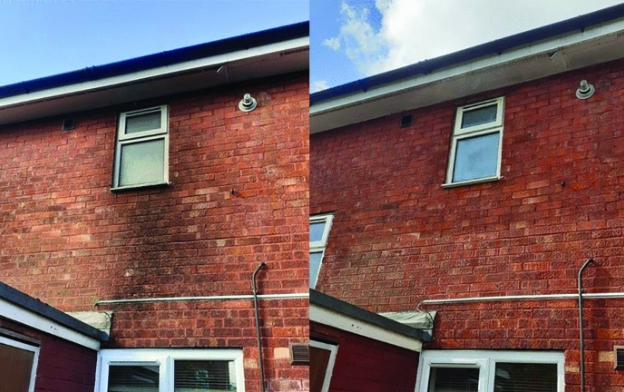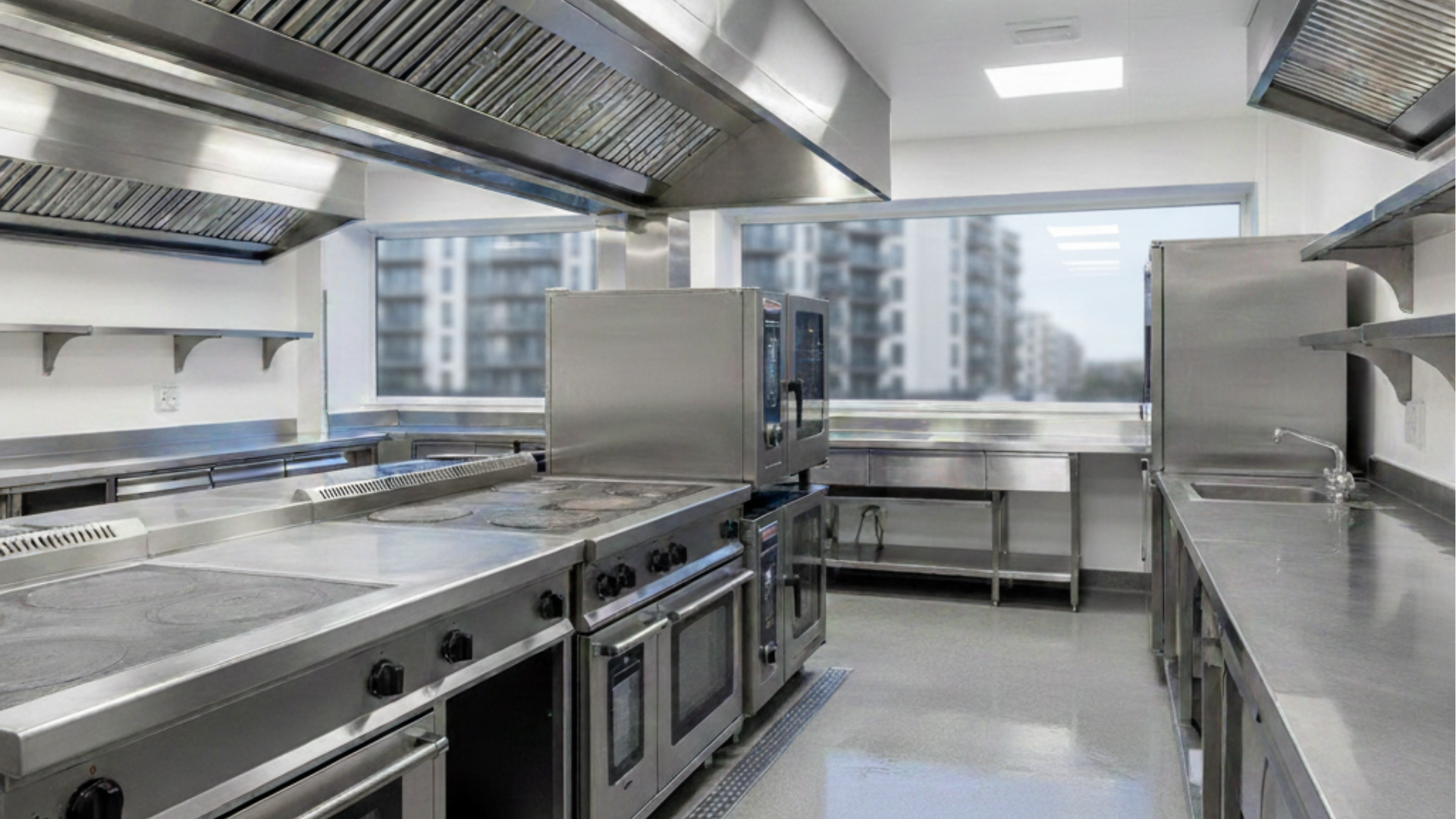




When flood or fire damage forces a business to close, the cost isn’t just the physical repairs, it’s every day of lost trading while the site is out of action. For many businesses, downtime ends up costing more than the damage itself, in lost revenue, disrupted staff, and customers who go elsewhere in the meantime. While some closure is usually unavoidable, there’s a lot that influences whether that closure lasts days or weeks.
Why downtime often runs longer than it needs to
In a lot of cases, the length of a closure isn’t purely down to the scale of the damage. It’s also shaped by how quickly the right help was brought in, how thoroughly the damage was assessed at the start, and whether work was properly sequenced. Delays at any of these points add time on top of what the physical damage alone would require.
What actually shortens the timeline
Acting immediately, not just quickly. The single biggest factor is how fast restoration starts after the incident. Water that sits untreated soaks further into materials, and smoke damage left unaddressed continues to cause odour and residue problems. Every hour of delay tends to add to the scope of what needs fixing.
A thorough initial assessment. Restoration that starts before the full extent of the damage is properly understood often runs into problems later, discovering additional water damage in a wall cavity, or smoke residue in a room that wasn’t part of the original scope. This kind of rework extends timelines significantly. A proper assessment at the outset, even if it takes a little longer to begin work, usually leads to a faster overall recovery.
Using a provider who can handle the full scope. Flood and fire incidents often involve more than one type of damage at once, water damage from firefighting efforts, smoke affecting areas beyond the fire itself, or contamination alongside flooding. Using a single provider who can manage all of it avoids the delay of coordinating between multiple contractors and waiting for one to finish before another can start.
Working in the right order. Restoration work generally needs to happen in a specific sequence, extraction and drying before repairs, cleaning before reinstatement. A provider who plans this properly from the outset avoids wasted time redoing work or waiting unnecessarily between stages.
Clear communication throughout. Businesses that get regular updates on progress and realistic timelines can plan around the closure more effectively, arranging alternative trading arrangements, informing customers, or scheduling reopening activities in parallel with the final stages of restoration.
Having a relationship in place before an incident happens. Businesses that already know who they’ll call tend to lose far less time at the very start, compared to those searching for and vetting a contractor while the clock is already running.
What businesses can do in advance
While you can’t prevent every incident, a few things reduce how much time is lost if one happens:
- Know who you’d call for emergency restoration before you need to
- Keep basic information (insurer details, building specifics, key contacts) somewhere accessible, not only in the affected building
- Understand your insurance policy’s requirements around reporting and preferred contractors
- Have a rough plan for how you’d communicate a closure to customers or clients if needed
Getting back to trading as quickly as the damage allows
SafeGroup provides flood and fire damage restoration for businesses across the UK, covering water extraction, structural drying, smoke and odour treatment, and cleaning and decontamination, with 24/7 nationwide availability so restoration can start as soon as possible after an incident.
If your business is dealing with flood or fire damage, or you want a plan in place before something happens, get in touch with SafeGroup or call 0800 668 1268.