


Hotels, restaurants, pubs and other hospitality venues run on tight margins and a reputation that’s often built (or damaged) in a single visit. Unlike a lot of other businesses, hospitality venues rarely have the option to quietly close for a few days while a problem sorts itself out. Every day shut is lost bookings, lost covers, and in some cases, lost trust from guests who simply go elsewhere next time.
That’s what makes emergency cleaning and restoration support such a practical necessity in this sector, rather than a nice-to-have.
The kinds of incidents hospitality venues face
Hospitality premises are exposed to a wide range of incidents that can bring trading to a sudden stop:
- Burst pipes or plumbing failures affecting kitchens, guest rooms or bathrooms
- Flooding from storms or drainage issues
- Fire and smoke damage, particularly around commercial kitchens
- Sewage backups affecting guest areas or food preparation spaces
- Contamination incidents requiring specialist decontamination
Any one of these can leave a venue unable to serve customers safely until the affected area has been properly dealt with.
Why speed matters more here than in most sectors
In a lot of commercial settings, a few days of disruption is inconvenient but manageable. In hospitality, it’s different for a few reasons.
Bookings don’t wait. A closed hotel means guests being turned away or relocated, often at the venue’s expense. A closed restaurant means a full diary of reservations that has to be cancelled or reworked.
Reputation is immediate and public. Guests share their experience in real time, whether that’s a review, a social post, or simply telling people they know. A poorly handled incident, or one that drags on, affects perception well beyond the guests directly involved.
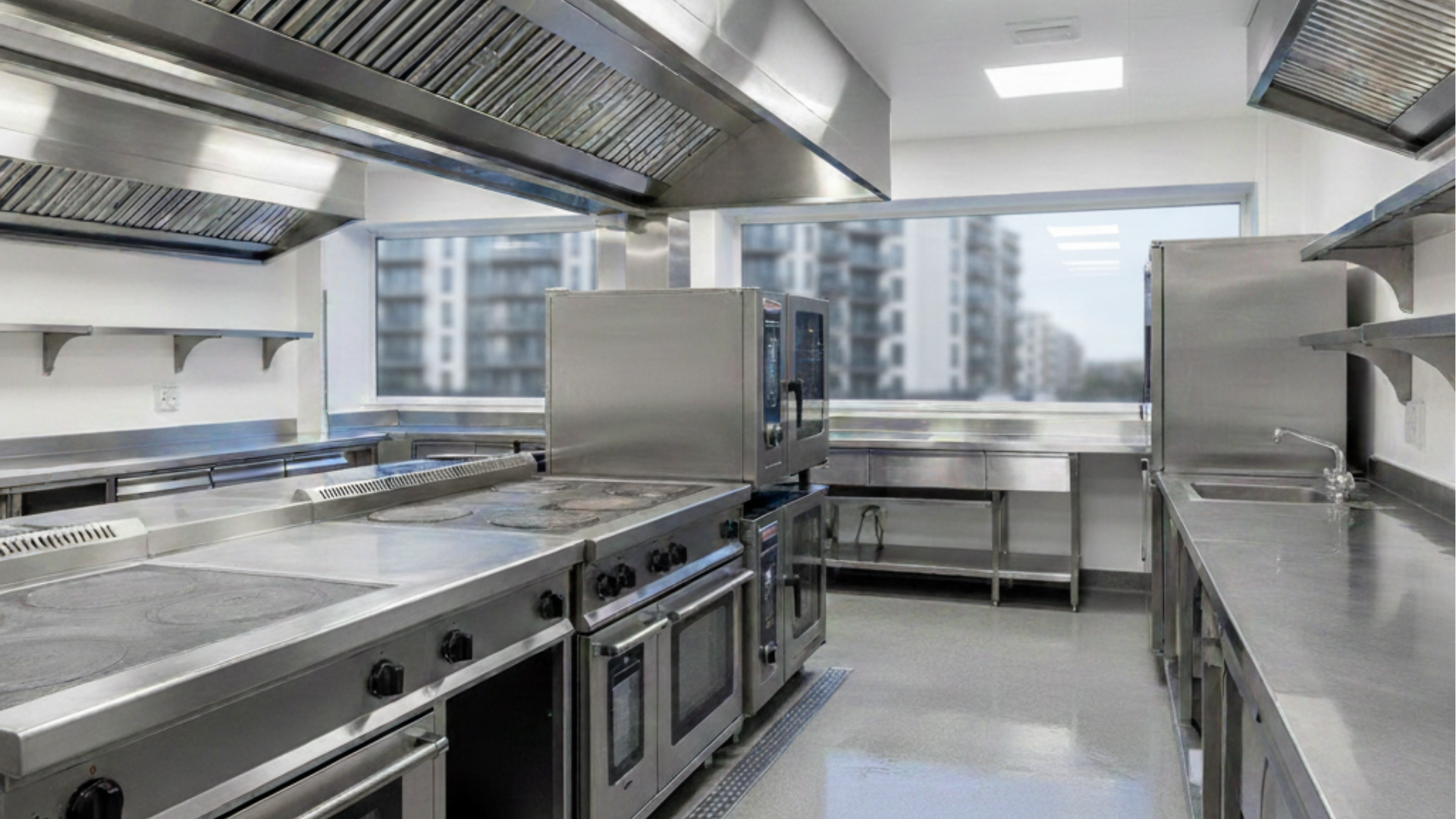
Food safety adds another layer. Where kitchens are involved, any water, fire or contamination incident isn’t just a cleaning issue, it’s a food hygiene and compliance issue. Venues can’t simply reopen a kitchen because it looks clean, it needs to be properly restored and safe to use.
Multi-use spaces complicate things. A single incident in a hotel, for example, might affect guest rooms, communal areas, and back-of-house all at once, each needing a different approach.
Why having a partner in place beats sourcing help after the fact
When an incident happens, the businesses that recover fastest are usually the ones who already know who they’re calling, rather than starting from scratch trying to find a suitable contractor while the clock is running.
Having an established relationship with a specialist cleaning and restoration provider means:
- No time lost searching for and vetting a contractor during an already stressful situation
- A provider who understands the specific pressures of hospitality, including the need to protect guest-facing areas and reopen as much of the venue as possible, as quickly as it’s safe to do so
- Consistency if multiple sites are affected, or if the same venue faces recurring issues like plumbing problems in an older building
What to look for in an emergency cleaning partner
For hospitality specifically, it’s worth checking that a provider can offer:
- Genuine 24/7 availability, not just during office hours
- Experience with commercial kitchens and food safety considerations
- The ability to handle multiple types of incidents (water, fire, biohazard) rather than a narrow specialism
- Nationwide coverage if you operate more than one site
A partner that’s ready when you need one
SafeGroup provides specialist cleaning and restoration support for businesses across the UK, available 24/7 nationwide, covering water damage, fire damage, and decontamination among other services. For hospitality venues, having that support already in place means less time lost and a clearer path back to trading if something goes wrong.
If you’d like to put an emergency response plan in place before you need one, get in touch with SafeGroup or call 0800 668 1268.