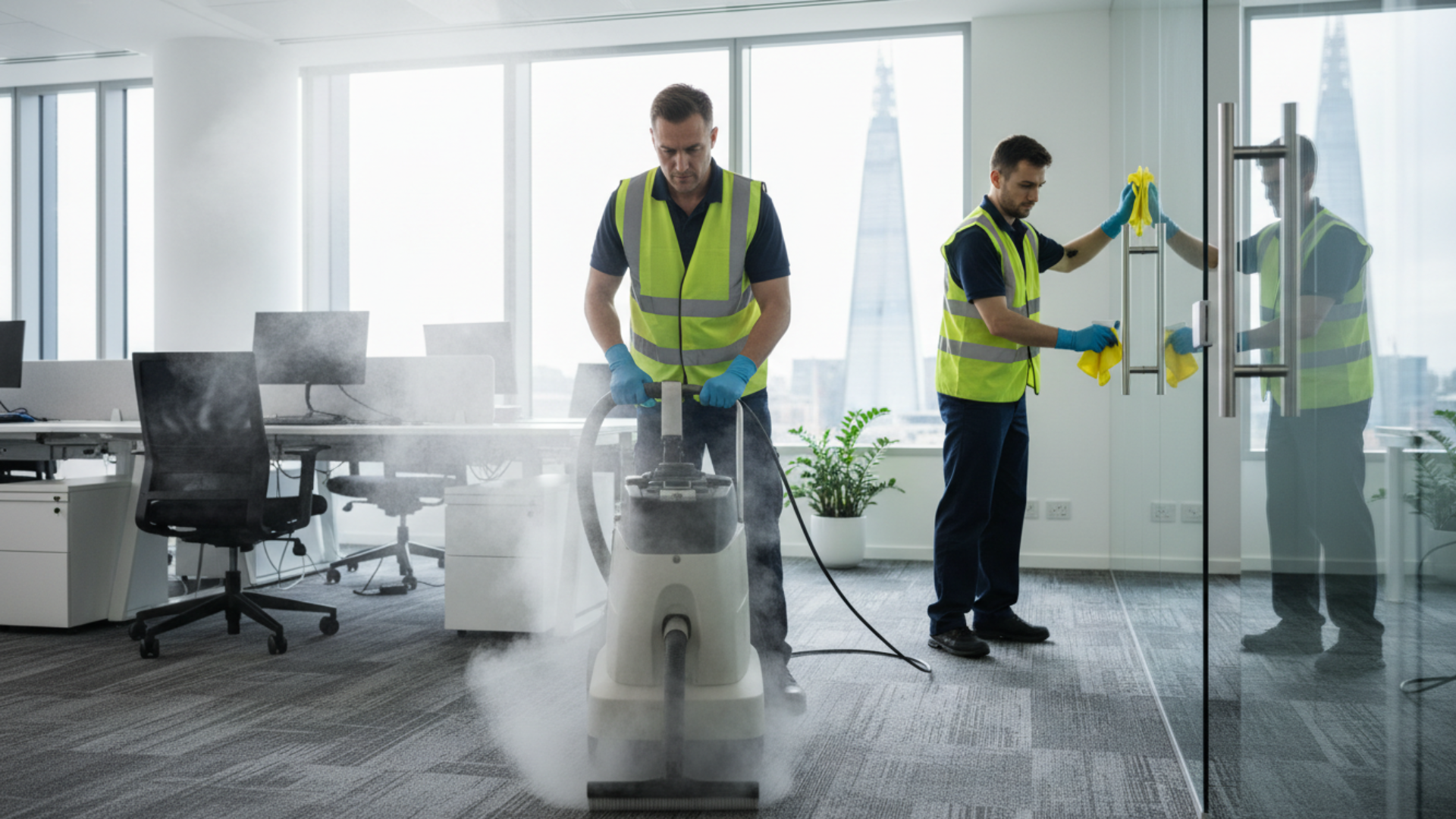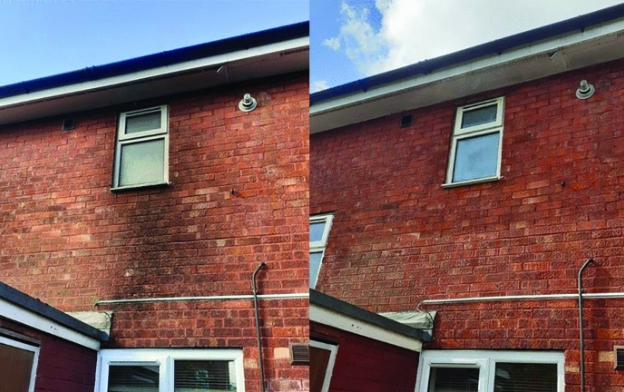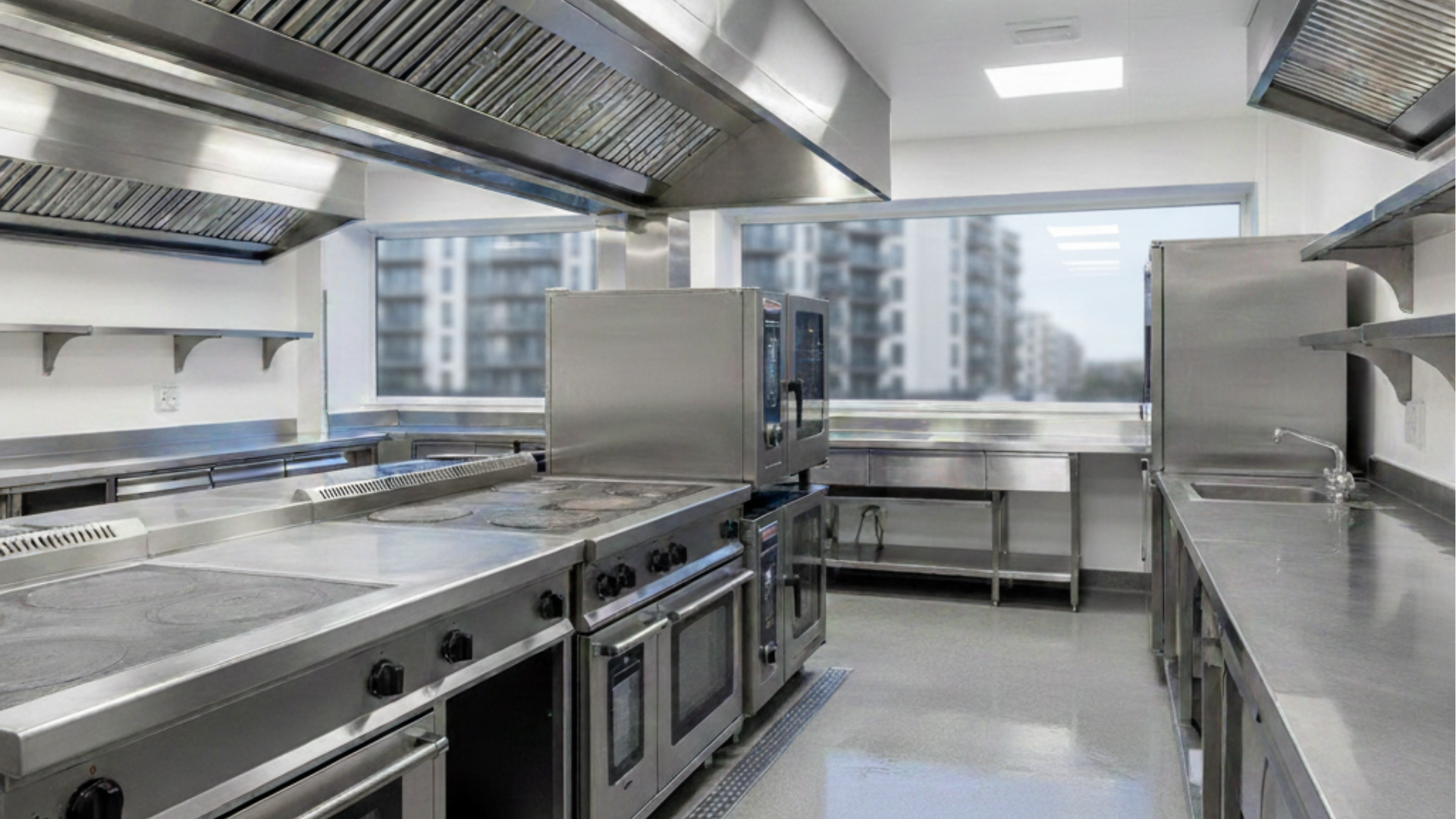




Trauma cleaning is a specialist form of cleaning carried out after events involving death, serious injury or significant bodily fluids, such as unattended deaths, violent incidents, suicides or serious accidents. It’s a service most people hope they’ll never need, but for property managers, landlords, employers and family members, understanding what it involves, and why it needs to be handled by trained professionals, matters.
What trauma cleaning actually involves
Trauma cleaning goes well beyond a standard clean. It typically involves the removal and safe disposal of blood, bodily fluids and other biological material, along with the decontamination of the affected area to make it safe for people to return to. Depending on the scene, this can include:
- Removal of contaminated soft furnishings, flooring or fixtures that cannot be safely cleaned
- Deep cleaning and disinfection of surfaces, walls and hard-to-reach areas
- Odour removal, which often requires specialist equipment rather than standard air fresheners or masking products
- Safe handling and disposal of biohazardous waste in line with UK regulations
- Restoring the property to a safe, liveable or workable condition
Every scene is different, so the exact process depends on what’s happened, how long the affected area has been left, and the extent of the contamination.
Why it’s classed as biohazard cleaning
Blood and bodily fluids can carry bloodborne pathogens, including hepatitis B, hepatitis C and HIV, as well as bacteria that pose a risk of infection. This is why trauma cleaning falls under the broader category of biohazard cleaning, and why it requires the same level of protective equipment, training and controlled disposal procedures as other biohazard work.
Trauma cleaning technicians typically work in full PPE, including protective suits, gloves, eye protection and respiratory protection where needed, and follow strict protocols for handling and disposing of contaminated waste safely and legally.
Why this isn’t a job for general cleaners or family members
It’s understandable that, in the aftermath of a difficult event, people want to deal with things quickly and privately. But trauma cleaning carries real health risks if it isn’t handled correctly, and there’s also a significant emotional toll to consider. Professional trauma cleaners are trained to carry out this work with sensitivity as well as technical competence, which means:
- Contaminated materials are identified, removed and disposed of correctly, rather than risking exposure to bloodborne pathogens
- The property is fully decontaminated, not just visibly cleaned
- Family members, staff or property managers aren’t left to manage a distressing and hazardous task themselves
- The work is carried out discreetly, with appropriate care for those affected by the incident
Who typically needs trauma cleaning services
Trauma cleaning is most commonly required by:
- Landlords and letting agents, following an unattended death or serious incident in a rental property
- Employers and facilities managers, after an accident or incident on business premises
- Housing associations, particularly in social housing, where unattended deaths are unfortunately not uncommon
- Families, who want the practical side of a distressing situation handled quickly, safely and respectfully
- Police and coroners’ services, who may recommend a specialist cleaning company once a scene has been released
Getting the right support
If you’re responsible for a property or premises where trauma cleaning is needed, the most important thing is to contact a specialist team rather than attempting to manage it yourself. A professional trauma cleaning company will assess the scene, explain what’s involved, and carry out the work safely, discreetly and in line with UK health and safety regulations, so you don’t have to.
At Safe Group, our trauma cleaning specialists are on hand to respond quickly and sensitively, whatever the circumstances. From initial assessment through to full decontamination and restoration, we handle every step with the care and discretion it deserves. Get in touch with our team today for confidential support.