


Most businesses have a daily or weekly cleaning routine covering the basics: emptying bins, wiping surfaces, hoovering floors. But a deep clean is a different job altogether, and it’s one that’s easy to put off until something forces the issue, a client visit, a health inspection, or staff starting to notice the place feels tired.
So how often should it actually happen? The honest answer is that it depends on your type of business, but there are some clear patterns worth knowing.
What counts as a deep clean, versus routine cleaning
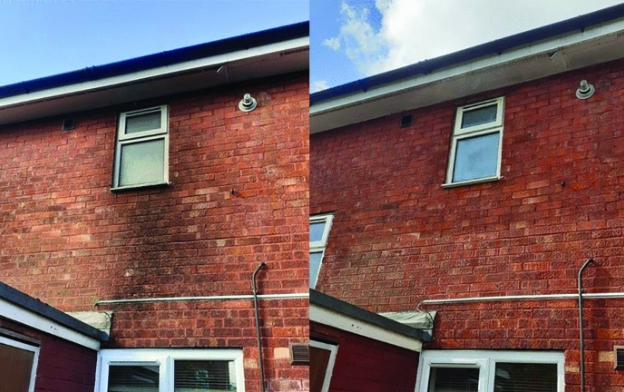
Routine cleaning deals with what’s visible on the surface. A deep clean goes further, targeting the buildup that daily cleaning doesn’t reach: behind and under furniture and equipment, inside vents and extraction systems, grout and flooring at a deeper level, and areas like washrooms and kitchens where grime and bacteria accumulate over time.
Skipping deep cleaning doesn’t usually cause an immediate problem. The issue builds slowly, until it shows up as a hygiene issue, a compliance failure, or simply a workplace that looks and smells worse than it should.
General guidance by premises type
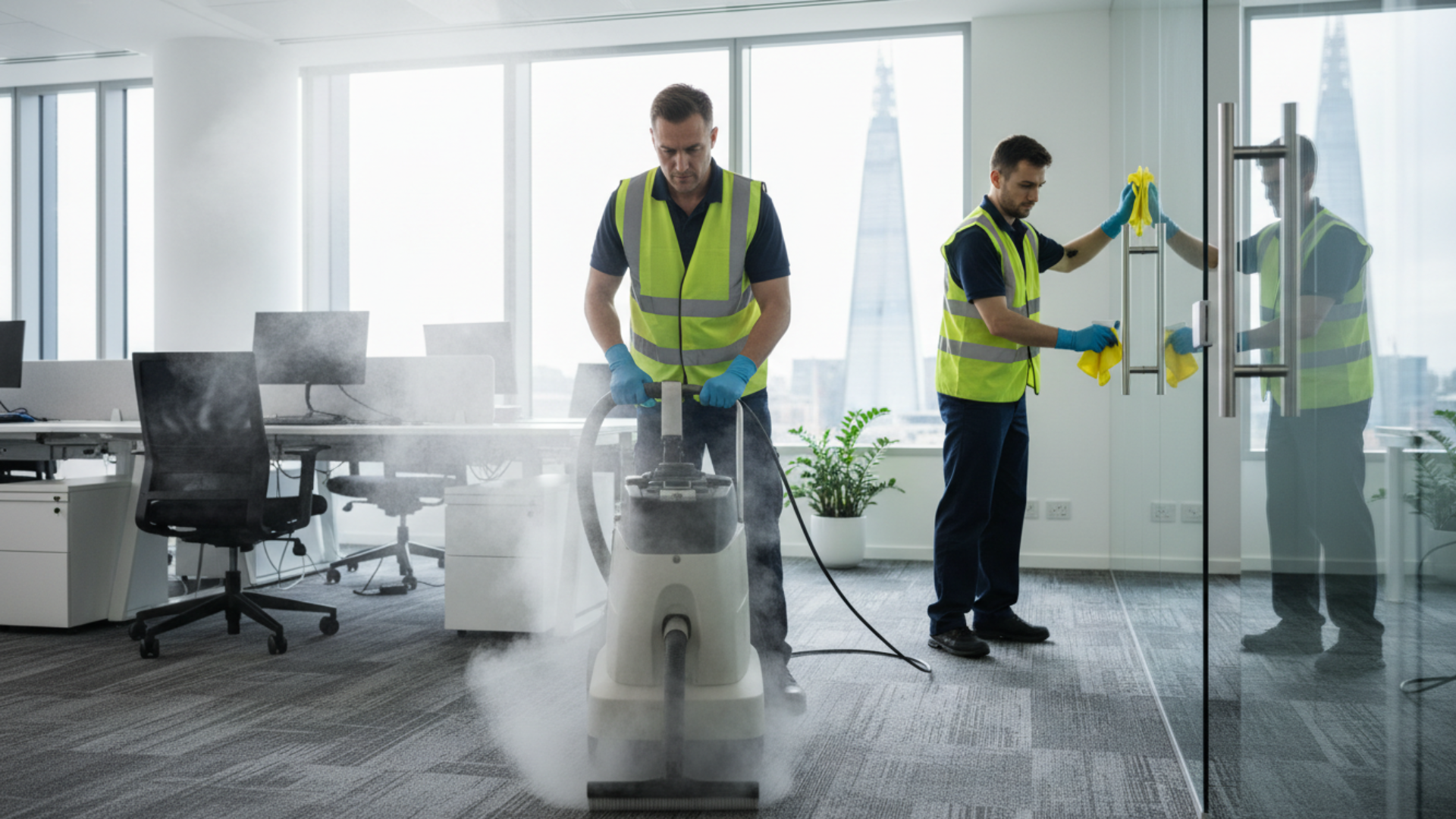
Offices – Most office environments benefit from a deep clean every three to six months. High-traffic areas like reception, meeting rooms and kitchens tend to need it more often than quieter back-office spaces.
Retail units – With constant footfall from customers, retail spaces usually need deep cleaning more frequently, often monthly or quarterly depending on how busy the site is and whether food or drink is sold on the premises.
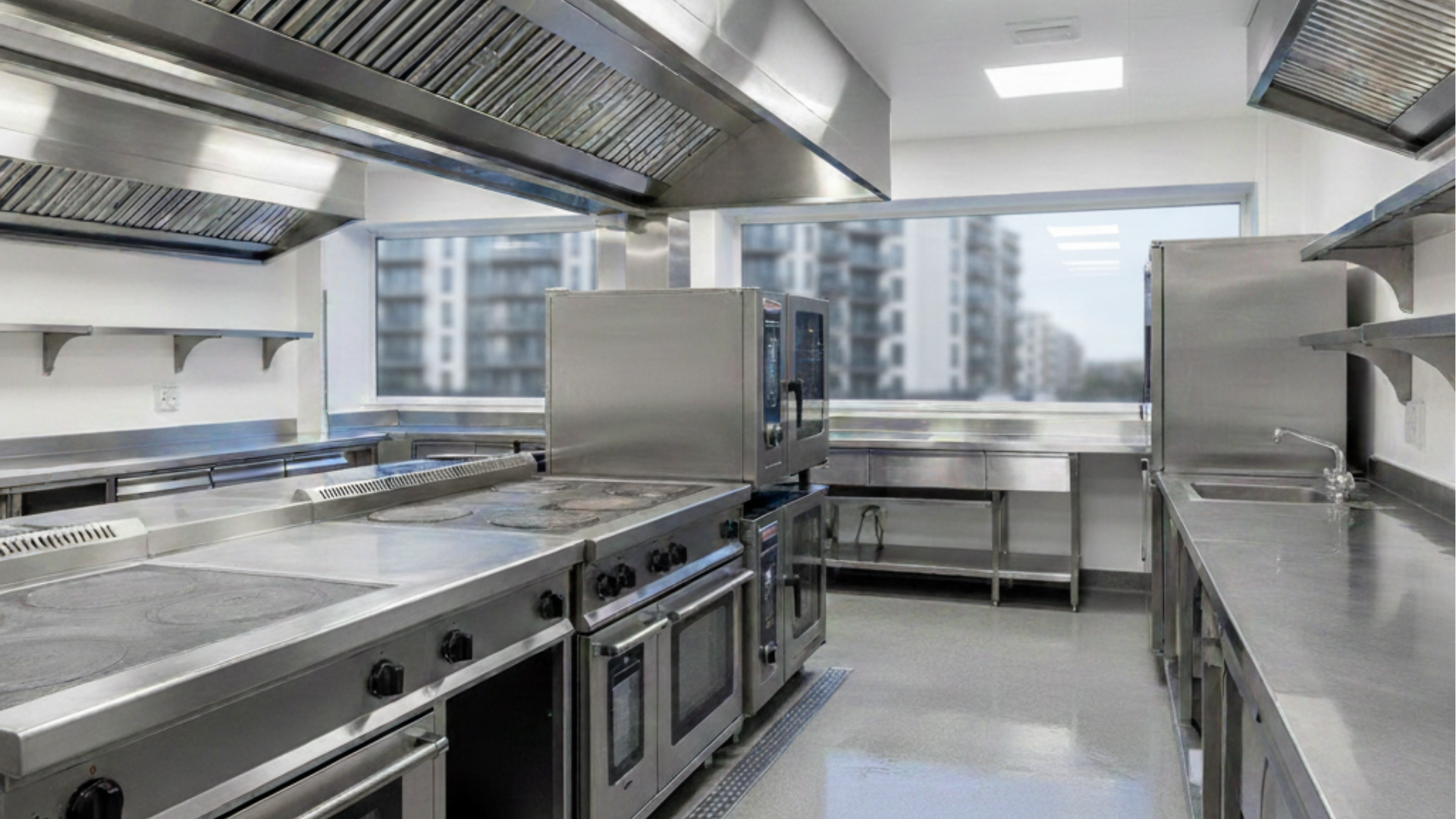
Food production and catering sites – These environments have the tightest requirements. Deep cleaning schedules here are usually driven by HACCP and food hygiene regulations rather than general guidance, and in many cases need to happen far more frequently, sometimes as part of a rolling daily, weekly and periodic deep clean structure.
Healthcare and care settings – Given the infection control standards involved, healthcare premises typically require a much stricter and more frequent deep cleaning schedule than most other sectors, often specified by local infection control policy rather than a fixed industry norm.
Warehouses and industrial units – These vary widely depending on the type of work carried out. Sites handling dust, materials or heavy machinery may need more frequent attention to flooring, extraction systems and communal areas than a typical office.
Signs you’re overdue, regardless of schedule
Fixed schedules are a useful starting point, but they’re not the whole picture. A few practical signs suggest a premises needs attention sooner rather than later:
- Persistent odours that cleaning doesn’t seem to shift
- Visible grime building up in corners, behind equipment, or in extraction systems
- An increase in staff sickness or complaints about air quality
- Upcoming inspections, audits, or client visits
- A noticeable gap since the last deep clean, if no one can remember when it happened
Why it’s worth getting right
Getting the frequency right isn’t just about appearances. Neglected deep cleaning can contribute to poor air quality, pest issues, and in regulated sectors, compliance failures that carry real financial and reputational risk. On the other hand, over-cleaning unnecessarily is simply a cost that doesn’t need to be there.
The right frequency comes down to your sector, your footfall, and the specific risks in your environment, which is usually best worked out with a proper site assessment rather than guesswork.
Getting a schedule that actually fits your business
We work with businesses across a range of sectors, including retail, healthcare, food production and commercial offices, to establish deep cleaning schedules that fit the specific risks and requirements of the site, rather than a generic one-size-fits-all approach.
If it’s been a while since your premises had a proper deep clean, or you’re not sure what schedule you should be working to, get in touch with SafeGroup or call 0800 668 1268 to talk it through.