



If you manage a commercial property, there’s a good chance you’ve dealt with pigeons at some point. Roof spaces, gutters, window ledges, church spires and warehouse eaves are all popular nesting spots, and where pigeons roost, guano follows. It’s easy to see a build-up of droppings as a straightforward cleaning job. It isn’t. Pigeon guano is a recognised health hazard, and removing it without the right training, equipment and containment measures can put your staff, your visitors and your building at serious risk.
Why pigeon guano is more dangerous than it looks
Pigeon droppings can carry a number of pathogens, including bacteria, fungi and parasites. Dried guano is particularly hazardous because it becomes friable and can turn to dust, which is easily disturbed and inhaled during cleaning. Three conditions in particular are associated with exposure to pigeon droppings:
- Histoplasmosis – a fungal lung infection caused by inhaling spores from contaminated droppings, especially where guano has accumulated over a long period in enclosed or poorly ventilated spaces
- Cryptococcosis – another fungal infection linked to pigeon droppings, which can affect the lungs and, in some cases, spread further
- Psittacosis – a bacterial infection that can cause flu-like symptoms and pneumonia
For most healthy adults, brief incidental contact with a small amount of guano is unlikely to cause serious illness. The risk increases significantly with prolonged exposure, large accumulations, and disturbance of dried droppings without proper protection, exactly the conditions created by an untrained team trying to clear a heavily soiled roof void or gutter run themselves.
The building risks are just as real
The health risks tend to get the most attention, but guano causes serious damage to buildings too. It’s acidic, and over time it will:
- Corrode metal guttering, flashing and roofing components
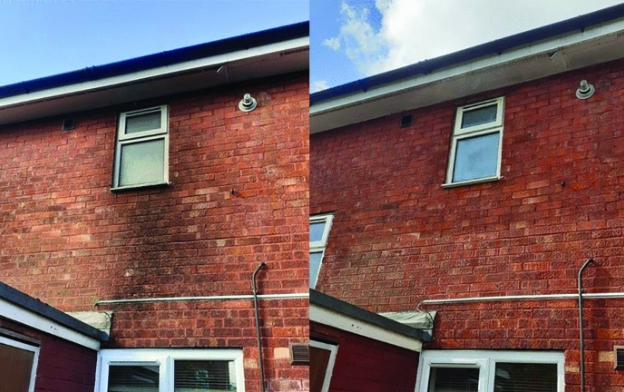
- Stain and degrade stonework, render and masonry
- Block gutters and downpipes, leading to water ingress and damp
- Damage air handling and ventilation systems if droppings enter intake vents
Left untreated, guano damage often costs far more to put right than the original cleaning job would have. This is particularly common with commercial buildings, warehouses and heritage properties such as church spires, where guano accumulates in hard-to-reach areas for years before anyone addresses it.
Why this isn’t a job for general cleaning staff
Cleaning up pigeon guano safely requires more than a mop, a bucket and good intentions. Professional guano removal involves:
- Risk assessment before any work begins, to establish the level of contamination and the appropriate method of removal
- Appropriate RPE (respiratory protective equipment), typically at least FFP3 masks, to prevent inhalation of spores and dust
- Full PPE, including disposable coveralls, gloves and eye protection
- Controlled wetting or damping down of dried guano before disturbance, to prevent it becoming airborne
- Safe containment and disposal of waste in line with relevant regulations
- Disinfection of the affected area once droppings have been removed, not just visual cleaning
None of this is achievable with a standard cleaning routine, and asking untrained staff to tackle a heavily soiled roof space or gutter system exposes your business to both health and safety liability and, potentially, HSE enforcement action if someone becomes unwell as a result.
What to do if you have a guano problem
If you’re dealing with pigeon droppings on your premises, whether it’s a few ledges or years of build-up in a roof void, the safest and most cost-effective route is specialist removal. A professional team will assess the extent of the problem, use the right protective measures and equipment, and make sure the area is properly disinfected and, where appropriate, bird-proofed to prevent the problem recurring.
If you’re responsible for a commercial building and you’ve noticed guano accumulating on ledges, roofs or in gutters, it’s worth getting it assessed before it becomes a bigger health or maintenance issue than it needs to be.
At Safe Group, our trained technicians carry out pigeon guano removal safely and thoroughly, from initial risk assessment through to full decontamination and bird-proofing advice, so you don’t have to put your staff or your building at risk. Get in touch with our team today to arrange an assessment and find out how we can help.